
Important safety steps for remote health workers
May 22, 2025
Workers in remote locations can be at greater risk of mental, and sometimes even physical, harm.
While these workers play such a valuable role in their communities, the reality is they are often working away from home in unfamiliar settings where help is not always nearby. Therefore, safety needs to stay front of mind to reduce the risk of injury, illness and death.
It’s something that is not lost on us at Talent Quarter as we place nurses, allied health workers and social workers in jobs at remote locations across the country, from Kalgoorlie in Western Australia to Cape York in Far North Queensland.
While we have checks and balances in place, it’s crucial that workers being placed in remote and rural areas have a good sense of their own safety from the get-go.
Understanding the risks
Communities in remote areas can sometimes have high levels of unemployment, mental health issues and crime. It is important to understand the specific issues that apply in the area you are moving to, as well as the support available to you.
Before starting a job in a remote location, you should consider questions including: What kind of community are you going into? Where are the closest emergency services? If you’re feeling isolated, who can you call for support? What are you going to do if you find yourself working with equipment you aren’t confident operating? Are you equipped to deal with challenging work scenarios?
It’s also important to research the community you’re relocating to ensure you are aware of the culture, people and challenges you will encounter.
When you arrive at your new location, safe accommodation with lockable doors and windows is a must.
Gayle’s Law
Health workers should never work on their own.
In South Australia and Queensland legislation referred to as ‘Gayle’s Law’ requires remote health workers to be accompanied when going on unscheduled or after-hours callouts.
The law is named after Gayle Woodford who was raped and beaten to death in 2016 while she was the on-call nurse in the remote town of Fregon on the Anangu Pitjantjatjara Yankunytjatjara (APY) Lands in South Australia.
She was lured out of her house by a man who claimed there was a medical emergency.
It’s a tragedy that highlights the need to take extra precautions when working in remote communities.
Fatigue and workplace hazards
It’s second nature for health workers to want to help people.
Even if they’re taking a well-earned break following a 12-hour shift, they won’t hesitate to care for a patient in need.
Fatigue can increase the risk of injury in the workplace, so it’s important for health workers to take the necessary breaks and only work the amount of overtime they’re legally allowed to do.
Those from metropolitan areas may also find themselves working with equipment they aren’t familiar with, which can pose an injury risk. Hoists in regional hospitals, for example, may be older than those they are used to working with.
Checks and balances
It’s important for employers and recruitment agencies to stay connected to people they place into jobs in remote areas.
Workers need to know there is someone they can call anytime, anywhere for help. That includes in the wee hours. Recently I took a call from a nurse at 5.45am as she was experiencing issues with a connecting flight to a remote area.
At Talent Quarter, we also make regular safety calls to see how a worker is going, to ensure they feel happy and safe.
Working remotely is tough – you’re away from your loved ones, operating in an isolated environment and, in some cases, under really challenging circumstances.
We ensure our placements, like our internal employees, have access to employee assistance programs (EAPs) that provide free, professional and counselling services.
A final word on safety
My team would never place anyone in a situation where we wouldn’t place our mothers, fathers, sisters or brothers. My husband works in a high-risk role, so workplace safety is something I’m really passionate about.
“Everybody has the right to leave home for work and return home safely.”
Jan Bannerman
Managing Director, Talent Quarter
Share this post

A World Mental Health Day message from Jan Bannerman , Joint Managing Director, Talent Quarter

If you've spent a few years in Emergency, chances are you've thought about it. "Could I do remote nursing?"
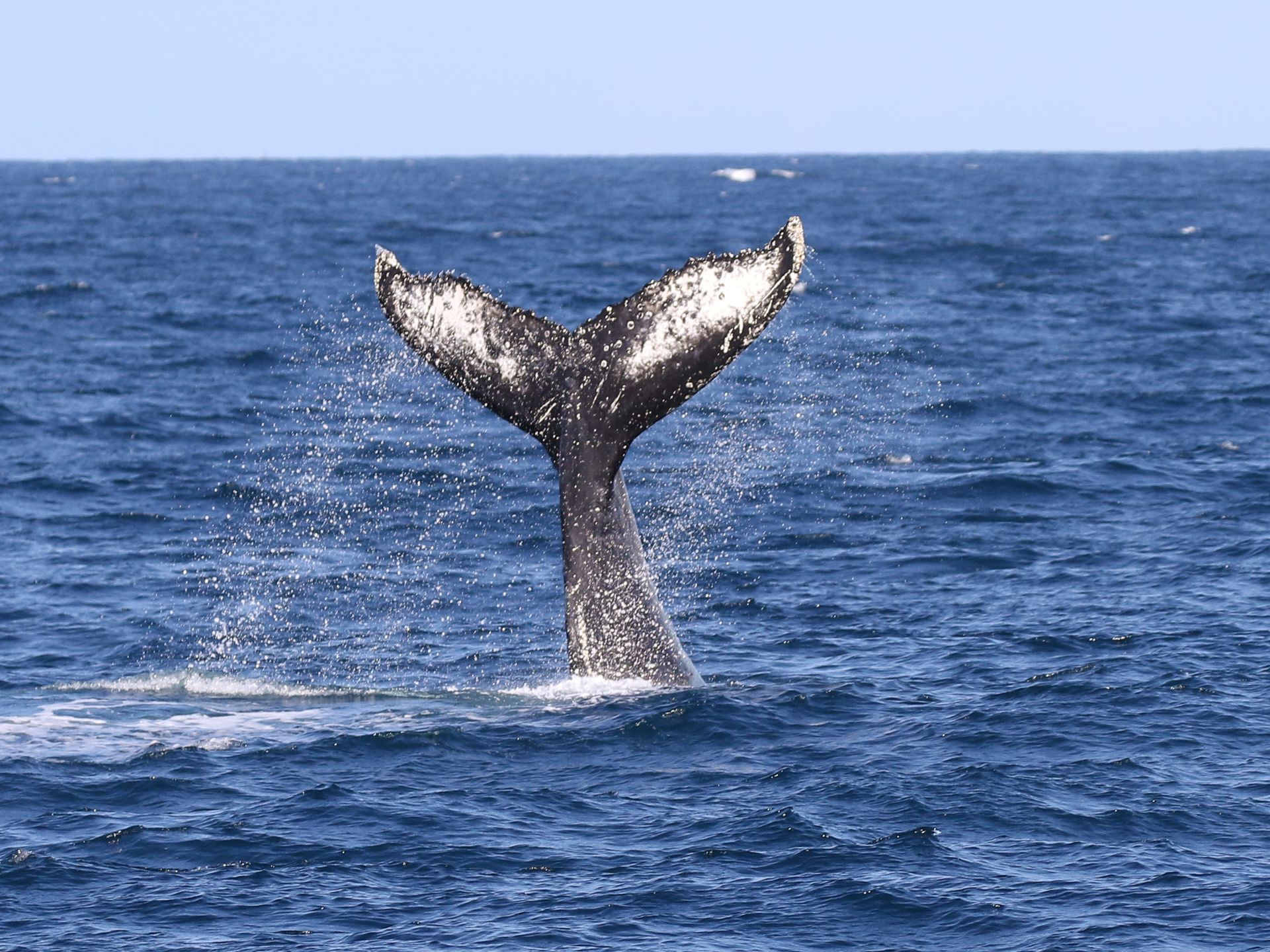
When our Nurse Alex moved from Northern Ireland to Australia in November 2025 , she wanted to do two things: work as a nurse and make the most of the opportunity to explore Australia. Travel nursing has given her the chance to do both! Making the most of the time between contracts 🐋 After wrapping up a contract, Alex headed to the Gold Coast for some well-earned downtime - which happened to fall right in the middle of humpback whale migration season. “I went whale watching which was incredible. It was peak season for humpback whales migrating down the east coast. There were so many whales!” For Alex, taking a break between contracts isn’t just about travelling. It gives her a chance to properly switch off after working in demanding and sometimes unfamiliar environments. “Contracts can be both physically and mentally demanding at times, and working in unknown environments can be overwhelming. Having time off between contracts has helped me recharge to be ready for the next contract.” Work, travel and a bit more freedom One of the things Alex has enjoyed most is being able to choose contracts that suit her experience and the way she wants to spend her time in Australia. “It’s great being able to balance the work and the holiday aspects of my Working Holiday Visa. As much as I love work, I love being able to see and experience Australia in all of its beauty in my downtime.” It’s also given her the chance to broaden her nursing experience. Alex comes from an ICU background, but since starting travel nursing she’s also worked in ED and on a medical ward. And then there are the places. Instead of only visiting somewhere for a weekend, Alex gets to spend a few weeks living and working there - experiencing smaller towns and parts of Australia she might never otherwise have had the chance to call home. Next stop: Tasmania 📍 Alex has now started a new contract in Tasmania, where she’s looking forward to gaining more ED experience and, of course, exploring more of the state while she’s there. For any nurses thinking about doing something similar, Alex’s advice is pretty simple: “Do it! I was nervous to start travel nursing, but I’m so glad I did it. The team at Talent Quarter supported and guided me throughout the whole way. They are always just a phone call away.” For Alex, it’s that freedom that makes travel nursing so worthwhile. “You could work the full year straight if you want, or take months off at a time to travel. It’s up to you.” A new contract, a new part of Australia and the freedom to decide what comes next. That’s what travel nursing has looked like for Alex so far. Thinking about giving travel nursing a go? Whether you’re ready for your next contract or just curious about what opportunities are out there, we’d love to hear from you . Get in touch with our Talent Quarter team and have a chat about where travel nursing could take you next! Click here: https://www.talentquarter.com/contact-us or get in touch with our consultant, Lewis Dew!