
From tradition to transformation: The global journey of midwifery
May 22, 2025
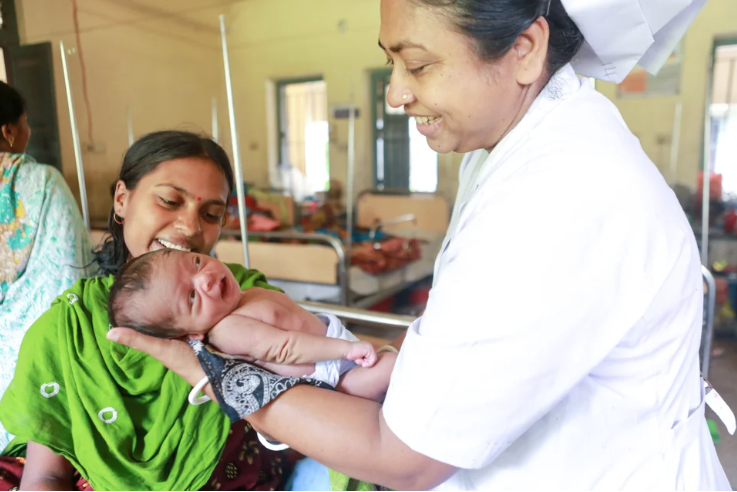
Having a baby is the same everywhere around the globe, yet midwifery varies significantly around the world due to a complex interplay of cultural traditions, healthcare systems, economic resources, and government policies. In some countries, midwives are the cornerstone of maternal care, deeply respected and fully integrated into the health system. In others, they may have limited recognition, training, or support. These differences influence everything from the role midwives play in childbirth, to the level of autonomy they have, to the type of care women receive during pregnancy and birth. Understanding these variations offers valuable insight into global health disparities and the need for greater investment in maternal care worldwide.
This week, as we celebrate International Day of the Midwife, whilst the core role of midwives, to support women through pregnancy, childbirth, and the postnatal period, remains consistent, it’s interesting to explore how widely the delivery of this care is differs around the world:
Professional status and regulation
In some countries, midwifery is highly regulated, for example Australia, New Zealand and the UK. In these countries, midwifery is an autonomous, licensed profession and midwives are trained through degree programs, need to be registered, and are fully integrated into the health system.
In other less regulated or informal arrangements, on for example, parts of Africa, South Asia and Latin America, traditional birth attendants (TBAs) often play midwifery roles without any formal education or licensure. Some receive training from NGOs or ministries of health but are less likely to be officially recognised.
Models of Care
In a model of midwife-led care, prevalent in countries like New Zealand, Sweden and the Netherlands, midwives manage most low-risk pregnancies and births independently, often outside of hospitals, at home or in birth centres.
In physician-dominated systems, in for example the United States, South Korea and many Latin American countries, obstetricians oversee most births, with midwives often working only in certain settings like community clinics.
In the shared or dual model, the most common approach in Australia and Canada, women can choose between midwife-led or doctor-led care, with midwives increasingly integrated into hospitals and maternity units.
Cultural practices and levels of integration
In many indigenous and rural communities, especially in countries like Mexico, India and many places across Africa, traditional practices are most prevalent. Midwifery remains deeply tied to cultural rituals, herbal medicine, and spiritual beliefs. In countries like Guatemala and Peru, traditional midwives hold sacred status in many Indigenous cultures. Birth is seen as a spiritual transition, and midwives may use rituals involving herbs, massage, and prayer. Midwives are also honoured during Mother’s Day celebrations recognising their contribution to the community and motherhood specifically.
By contrast, in countries like Australia, a medicalised approach is the only approach, and birth is treated as a medical event. C-sections and hospital births are common, limiting midwives’ autonomy but maximising health outcomes for both mother and child.
Religion can also impact the role of a midwife. In many Islamic countries for example, female midwives are essential for maintaining cultural modesty during childbirth and the midwife’s role is often intertwined with religious rituals, such as reciting prayers or ensuring the baby hears the call to prayer after birth.
In some cultures, midwives are honoured through naming ceremonies, community feasts, or being given special status as “mothers to all.”
Birth Settings
Home and birth centre births are extremely common in some countries, notably the Netherlands and Japan, with many births occurring outside hospitals under midwife supervision, with strong systems for hospital transfer if required. Japanese midwifery places emphasis on a non-interventionist, holistic approach, often in birth centres or at home. Midwives (josan-shi) are recognised as licensed professionals with a strong focus on natural childbirth and emotional support.
In other places, notably, the US, South Korea, the UAE and Australia, most births occur in hospitals, and midwives often work with obstetricians or within hospital policies.
Despite the differences and nuances in the role of the midwife, there are some common and shared global themes, not least that midwives are deeply respected for their wisdom, trust, and nurturing presence. They are often recognised during birth ceremonies, community events, or public health days, or even through events like this week’s International Day of the Midwife, and there’s a growing global movement to blend traditional knowledge with clinical expertise, recognising both cultural value and health outcomes.
Image credit: WaterAid and Shahriar Rupam
Share this post

A World Mental Health Day message from Jan Bannerman , Joint Managing Director, Talent Quarter

If you've spent a few years in Emergency, chances are you've thought about it. "Could I do remote nursing?"

When our Nurse Alex moved from Northern Ireland to Australia in November 2025 , she wanted to do two things: work as a nurse and make the most of the opportunity to explore Australia. Travel nursing has given her the chance to do both! Making the most of the time between contracts 🐋 After wrapping up a contract, Alex headed to the Gold Coast for some well-earned downtime - which happened to fall right in the middle of humpback whale migration season. “I went whale watching which was incredible. It was peak season for humpback whales migrating down the east coast. There were so many whales!” For Alex, taking a break between contracts isn’t just about travelling. It gives her a chance to properly switch off after working in demanding and sometimes unfamiliar environments. “Contracts can be both physically and mentally demanding at times, and working in unknown environments can be overwhelming. Having time off between contracts has helped me recharge to be ready for the next contract.” Work, travel and a bit more freedom One of the things Alex has enjoyed most is being able to choose contracts that suit her experience and the way she wants to spend her time in Australia. “It’s great being able to balance the work and the holiday aspects of my Working Holiday Visa. As much as I love work, I love being able to see and experience Australia in all of its beauty in my downtime.” It’s also given her the chance to broaden her nursing experience. Alex comes from an ICU background, but since starting travel nursing she’s also worked in ED and on a medical ward. And then there are the places. Instead of only visiting somewhere for a weekend, Alex gets to spend a few weeks living and working there - experiencing smaller towns and parts of Australia she might never otherwise have had the chance to call home. Next stop: Tasmania 📍 Alex has now started a new contract in Tasmania, where she’s looking forward to gaining more ED experience and, of course, exploring more of the state while she’s there. For any nurses thinking about doing something similar, Alex’s advice is pretty simple: “Do it! I was nervous to start travel nursing, but I’m so glad I did it. The team at Talent Quarter supported and guided me throughout the whole way. They are always just a phone call away.” For Alex, it’s that freedom that makes travel nursing so worthwhile. “You could work the full year straight if you want, or take months off at a time to travel. It’s up to you.” A new contract, a new part of Australia and the freedom to decide what comes next. That’s what travel nursing has looked like for Alex so far. Thinking about giving travel nursing a go? Whether you’re ready for your next contract or just curious about what opportunities are out there, we’d love to hear from you . Get in touch with our Talent Quarter team and have a chat about where travel nursing could take you next! Click here: https://www.talentquarter.com/contact-us or get in touch with our consultant, Lewis Dew!