
What can we do to reduce the global shortage of midwives?
May 22, 2025
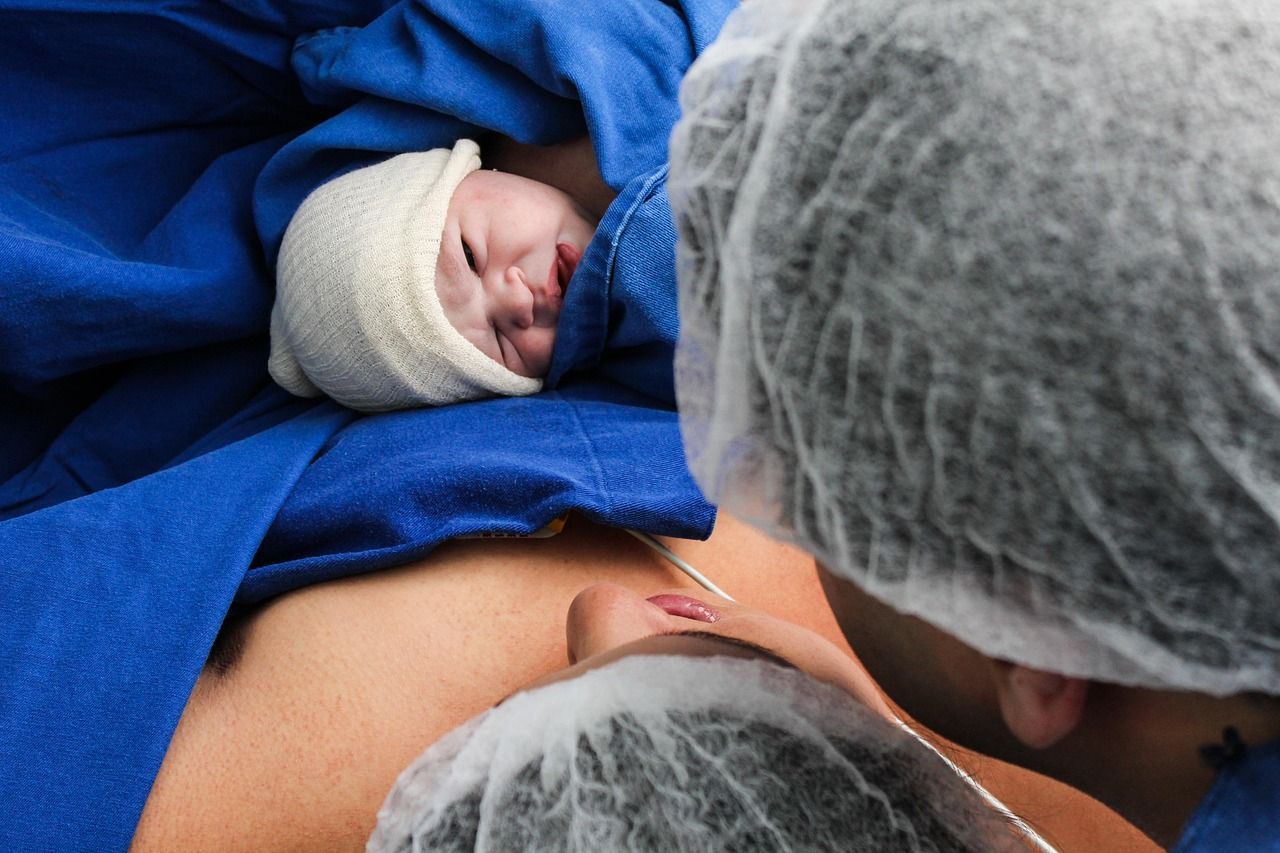
Despite the enormous impact of the role, there’s a global shortage of midwives. In Australia and beyond, workforce challenges, like burnout, underfunding, and a lack of training opportunities, are placing a strain on midwifery.
According to the WHO, the world faces a shortage of approximately 900,000 midwives. This shortage is most severe in low and middle-income countries, particularly in Africa and parts of South Asia, and globally, midwives make up less than 10% of the global reproductive, maternal, newborn and adolescent health workforce, despite the enormous contribution they make.
Addressing this gap is essential.
The global shortage of midwives is a critical public health and workforce issue that can be classified in several interrelated ways.
There is an insufficient number of trained and qualified midwives to meet the reproductive, maternal, newborn, and child health needs of the global population. The shortage also exacerbates inequities in maternal and newborn care, particularly in rural, remote, and conflict-affected regions.
Underinvestment in midwifery limits access to skilled birth attendants, impacting national health outcomes and economic productivity. Investing in midwives is cost-effective and can yield a significant return in terms of lives saved and health system efficiency. Many countries lack adequate training programs, resources, and facilities to produce enough midwives, and the quality and duration of training vary widely, leading to both disparities in skill levels and recognition of midwifery as a profession.
In some countries, midwifery is undervalued or poorly integrated into national health systems and midwives may face poor working conditions, low pay, limited autonomy, and lack of career development, which hinders recruitment and retention.
The global shortage of midwives is not just a workforce problem, it’s a systemic issue that touches on gender equity, human rights, public health, and global development. Addressing it requires coordinated investment in training, regulation, funding, and respect for midwifery as a vital, life-saving profession.
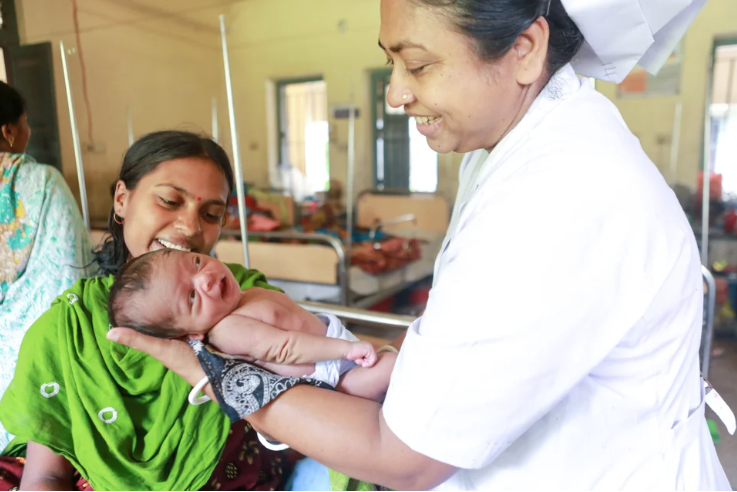
Around the world, especially in less developed nations, we need more midwives, better supported, properly resourced, and fully integrated into healthcare systems. Their presence can transform birth from a clinical transaction to a holistic, empowering experience, yet solving this global shortage of midwives is likely to require innovative, scalable, and culturally appropriate solutions that go beyond traditional approaches, which could include:
Community midwife programs
Train people within their own communities to become midwives. This improves retention, builds trust, and reduces the urban–rural care gap
Mobile midwifery schools
Deploy training buses or portable clinics equipped with simulation tools, skilled trainers, and digital resources to rural or underserved areas.
A midwifery fellowship
International partnerships for short-term midwifery placements, where experienced midwives mentor teams in high-need areas.
Telemidwifery
Regional telehealth centres where midwives in remote areas can consult with doctors or specialists via video during complications or referrals.
Fast-track upskilling for RNs
Offer condensed midwifery certifications for existing nurses or auxiliary healthcare workers in communities with midwife gaps.
Midwifery micro-enterprise models
Empower midwives as community entrepreneurs with training in financial literacy, microfinancing, and small business skills, especially in less developed nations.
Incentivised public-private partnerships
Encourage private sector investment in midwifery education, tech tools, and rural deployment through tax incentives or public recognition.
More locally, we should invest more in midwifery education and training and improve both working conditions and career pathways, offer competitive salaries, benefits, and safe work environments as well as recognising midwifery as a distinct, autonomous profession.
In short, solving the global midwife shortage is not just about filling jobs, it’s about building a stronger, more equitable health system that empowers women, saves lives, and improves outcomes across generations.
Image credit: WaterAid and Shahriar Rupam
Share this post

A World Mental Health Day message from Jan Bannerman , Joint Managing Director, Talent Quarter

If you've spent a few years in Emergency, chances are you've thought about it. "Could I do remote nursing?"

When our Nurse Alex moved from Northern Ireland to Australia in November 2025 , she wanted to do two things: work as a nurse and make the most of the opportunity to explore Australia. Travel nursing has given her the chance to do both! Making the most of the time between contracts 🐋 After wrapping up a contract, Alex headed to the Gold Coast for some well-earned downtime - which happened to fall right in the middle of humpback whale migration season. “I went whale watching which was incredible. It was peak season for humpback whales migrating down the east coast. There were so many whales!” For Alex, taking a break between contracts isn’t just about travelling. It gives her a chance to properly switch off after working in demanding and sometimes unfamiliar environments. “Contracts can be both physically and mentally demanding at times, and working in unknown environments can be overwhelming. Having time off between contracts has helped me recharge to be ready for the next contract.” Work, travel and a bit more freedom One of the things Alex has enjoyed most is being able to choose contracts that suit her experience and the way she wants to spend her time in Australia. “It’s great being able to balance the work and the holiday aspects of my Working Holiday Visa. As much as I love work, I love being able to see and experience Australia in all of its beauty in my downtime.” It’s also given her the chance to broaden her nursing experience. Alex comes from an ICU background, but since starting travel nursing she’s also worked in ED and on a medical ward. And then there are the places. Instead of only visiting somewhere for a weekend, Alex gets to spend a few weeks living and working there - experiencing smaller towns and parts of Australia she might never otherwise have had the chance to call home. Next stop: Tasmania 📍 Alex has now started a new contract in Tasmania, where she’s looking forward to gaining more ED experience and, of course, exploring more of the state while she’s there. For any nurses thinking about doing something similar, Alex’s advice is pretty simple: “Do it! I was nervous to start travel nursing, but I’m so glad I did it. The team at Talent Quarter supported and guided me throughout the whole way. They are always just a phone call away.” For Alex, it’s that freedom that makes travel nursing so worthwhile. “You could work the full year straight if you want, or take months off at a time to travel. It’s up to you.” A new contract, a new part of Australia and the freedom to decide what comes next. That’s what travel nursing has looked like for Alex so far. Thinking about giving travel nursing a go? Whether you’re ready for your next contract or just curious about what opportunities are out there, we’d love to hear from you . Get in touch with our Talent Quarter team and have a chat about where travel nursing could take you next! Click here: https://www.talentquarter.com/contact-us or get in touch with our consultant, Lewis Dew!